video
Creative work isn't separate from operational work. The best systems refine structure so that creativity can thrive. A well-organized production clears the path for stronger editorial choices because the focus stays on the work itself. Locating files, reconciling versions, and rebuilding lost context consume time and attention that could otherwise be spent shaping the story.
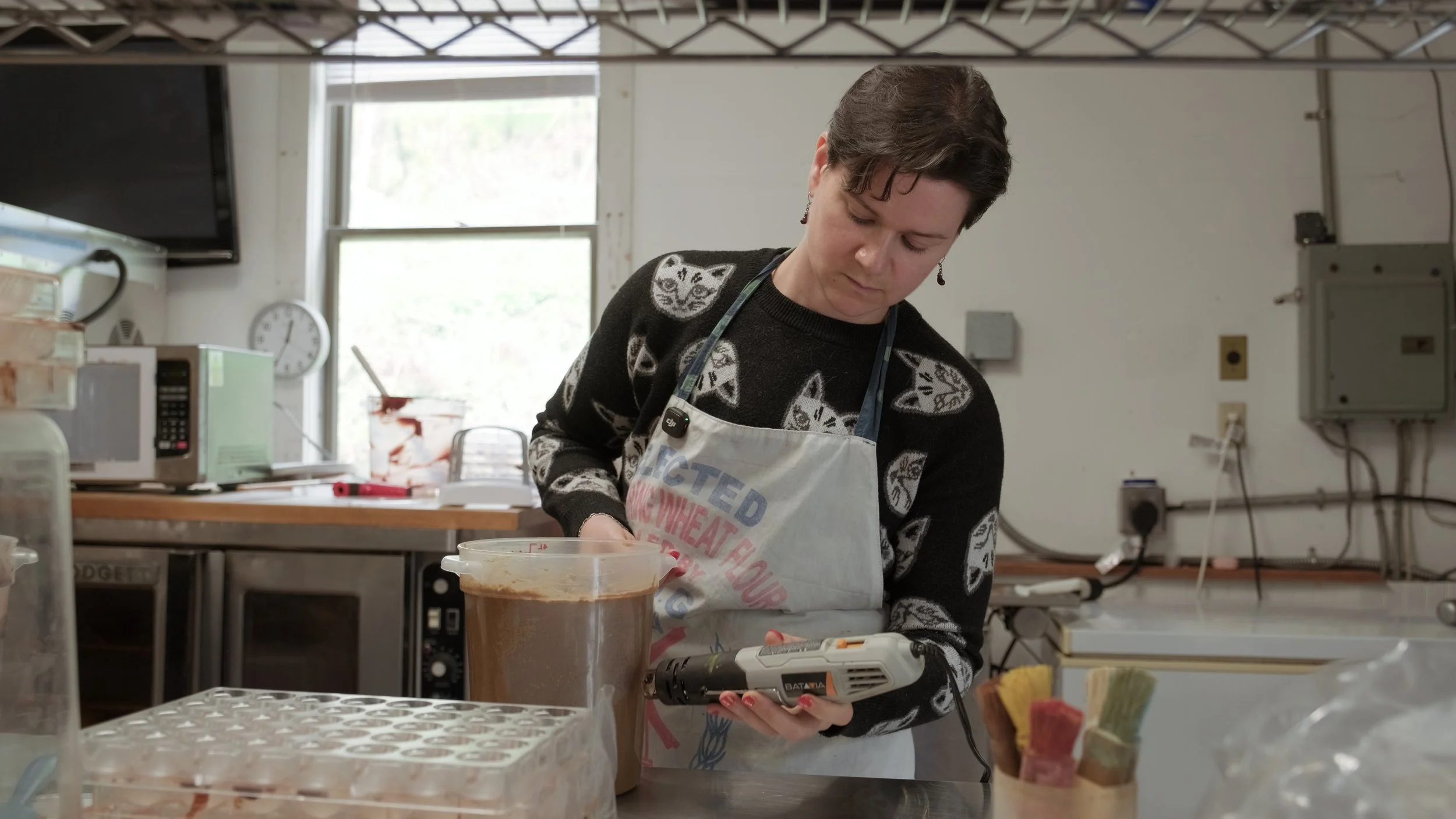
With this short documentary, I was interested in pushing the capabilities of what I could create as a solo-operator. What kind of story could I tell when I was in charge of video, audio, structure, editing, and delivery? From an introductory conversation, I drafted an initial voice-over and a skeleton shot list. Working on-site in the field became the best teacher and the quickest way to learn. And because I was the only person on both sides—making the creative decisions and managing the infrastructure underneath them—I felt every friction point firsthand. Solving those problems became inseparable from the creative process itself.
Video Workflow
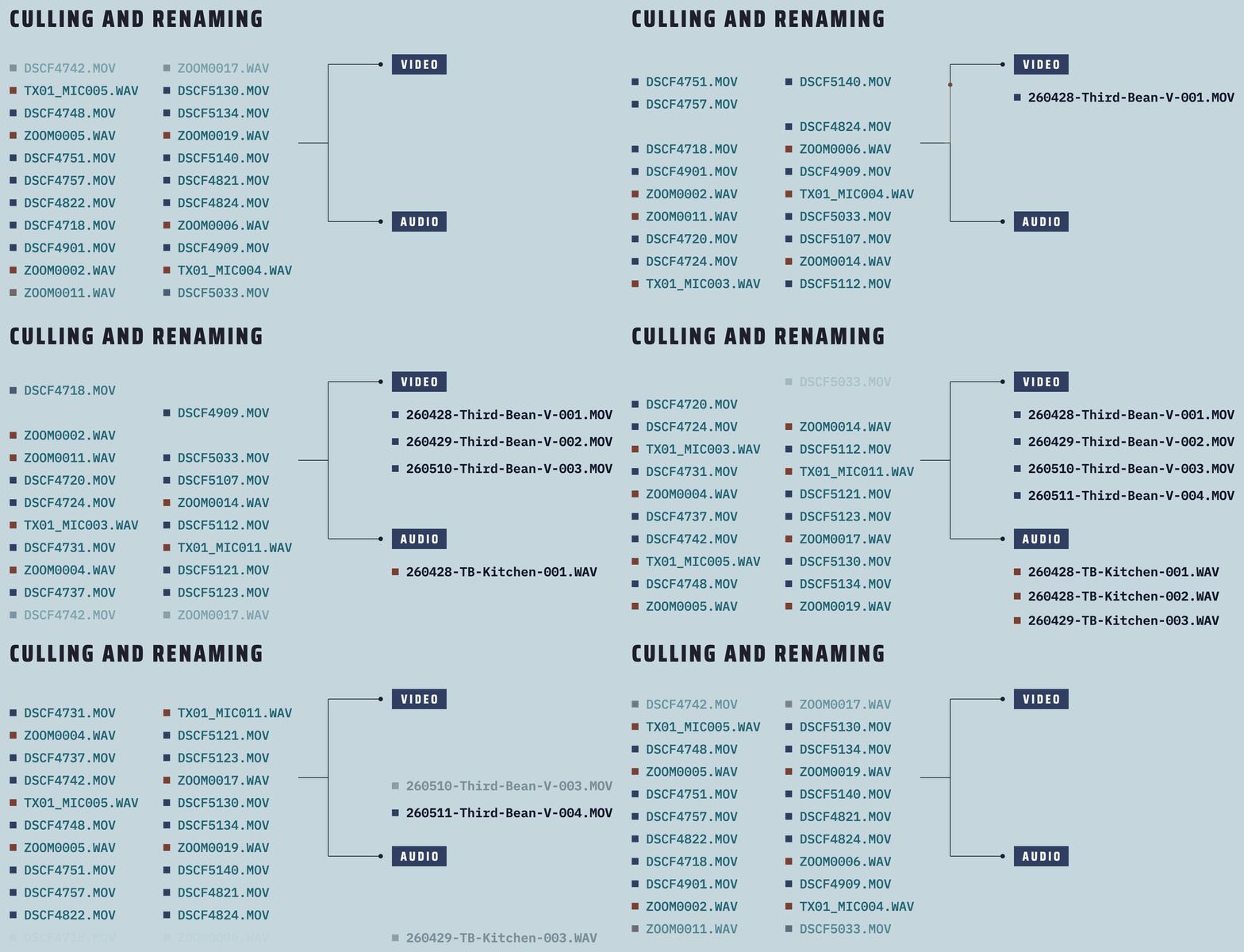
Consistent footage renaming is an operational non-negotiable. Using date, project, and sequence information makes footage findable both inside and outside editing software.

With keywords applied, Resolve's Smart Bins filter footage. Searches can be broad or specific. A single keyword like 'bonbon' surfaces every appropriate clip across bins. Combining multiple keywords narrows the results to exactly what's needed: 'tempering, close-up' returns matching clips across the entire project.
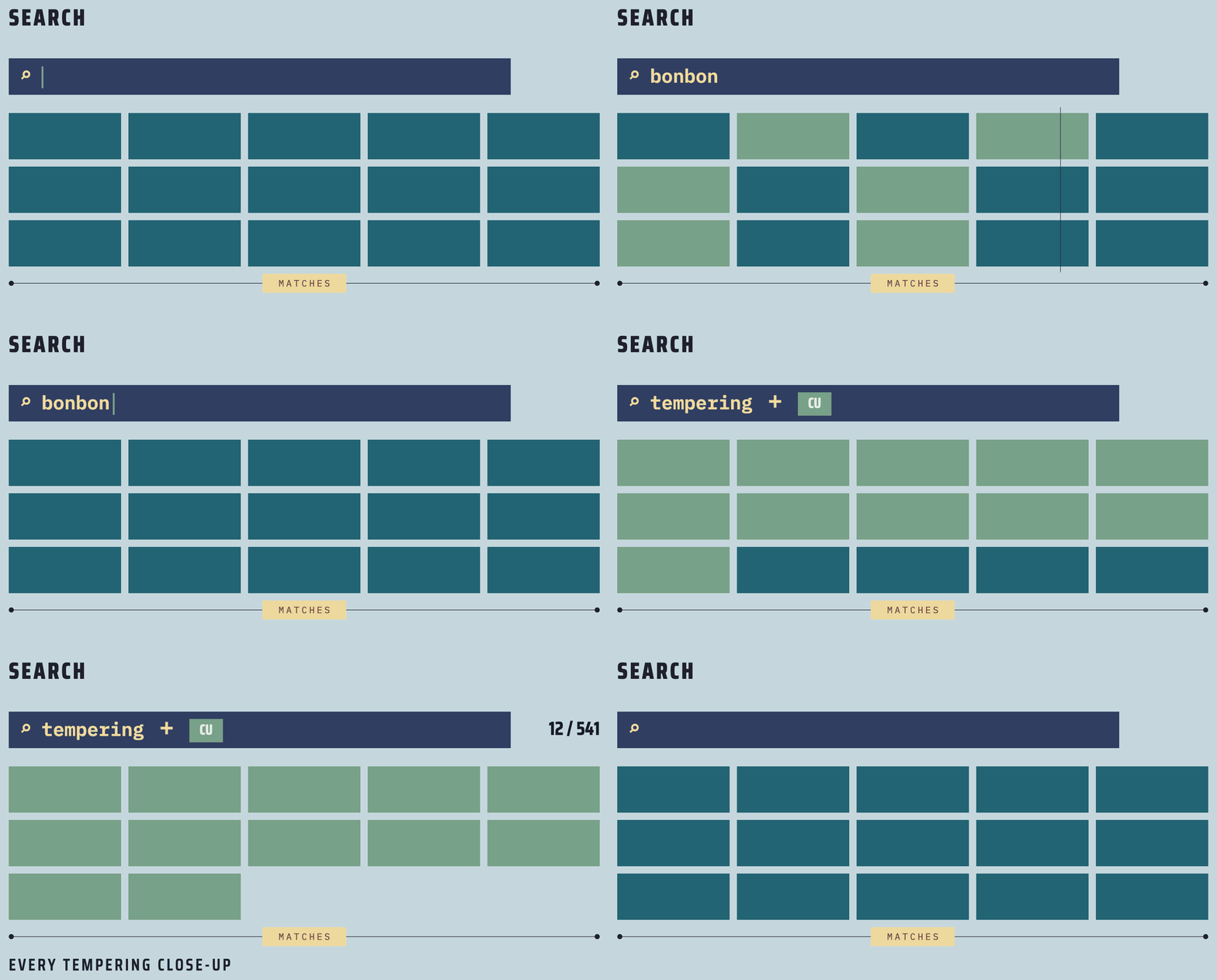
Tagging and flagging shots are critical in high-volume shoots (i.e. “I need to see all close-up bonbon shots to pick the appropriate clip”). Using custom Python scripts, I developed a system to tag keywords and shot types. A local AI model analyzes extracted frames against a project-specific keyword bank and scores each clip. The results export as a CSV that imports directly into DaVinci's metadata field, tagging hundreds of clips without manual entry.
This project was a deliberate creative and cognitive stretch—exploring new techniques, new software, and new systems for organizing both. Scripting specialized utilities beyond the native NLE kept an entire production manageable for one person while unlocking scalable potential for small teams.